Why PoSH Complaints Are Increasing in India (And What Companies Must Do)
-
Introduction: The Rising Tide of PoSH Disclosures
Introduction: The Rising Tide of PoSH Disclosures
As we navigate the corporate landscape of 2026, the data presents a clear and urgent narrative: complaints filed under the PoSH Act have risen by nearly 29% over the last two years, according to figures first highlighted in the Economic Times on 14 September 2025. For the modern Board of Directors, this surge is not merely an HR statistic to be noted. It is a critical indicator of increasing employee awareness, evolving workplace expectations, and lingering gaps in organizational safety frameworks.
In 2026, PoSH has evolved from an HR-driven compliance requirement into a core governance responsibility. Today, the maturity of an organization is judged not only by the policies it maintains but also by its ability to uphold procedural integrity, transparency, and accountability when complaints arise. In this environment, Boards and leadership teams are increasingly expected to demonstrate that workplace safety mechanisms are effective, accessible, and trusted by employees.
Good intent or claims of workplace humor no longer serve as adequate defenses. Regulators and courts continue to emphasize the impact of conduct on the aggrieved woman and the effectiveness of the organization's response. As a result, companies must focus on prevention, preparedness, and process integrity rather than relying solely on post-incident redressal.
-
Analyzing the "Why": Drivers Behind the Surge in Complaints
The increase in reported cases is driven by a combination of regulatory maturity, greater employee awareness, and changing workplace structures that organizations must proactively address.
The Governance Shift
Regulatory expectations and judicial scrutiny increasingly view PoSH failures as governance failures rather than isolated HR incidents. Stakeholders, investors, and regulators now consider workplace safety and compliance as important indicators of organizational culture and risk management.
The Digital and Third-Party Nexus
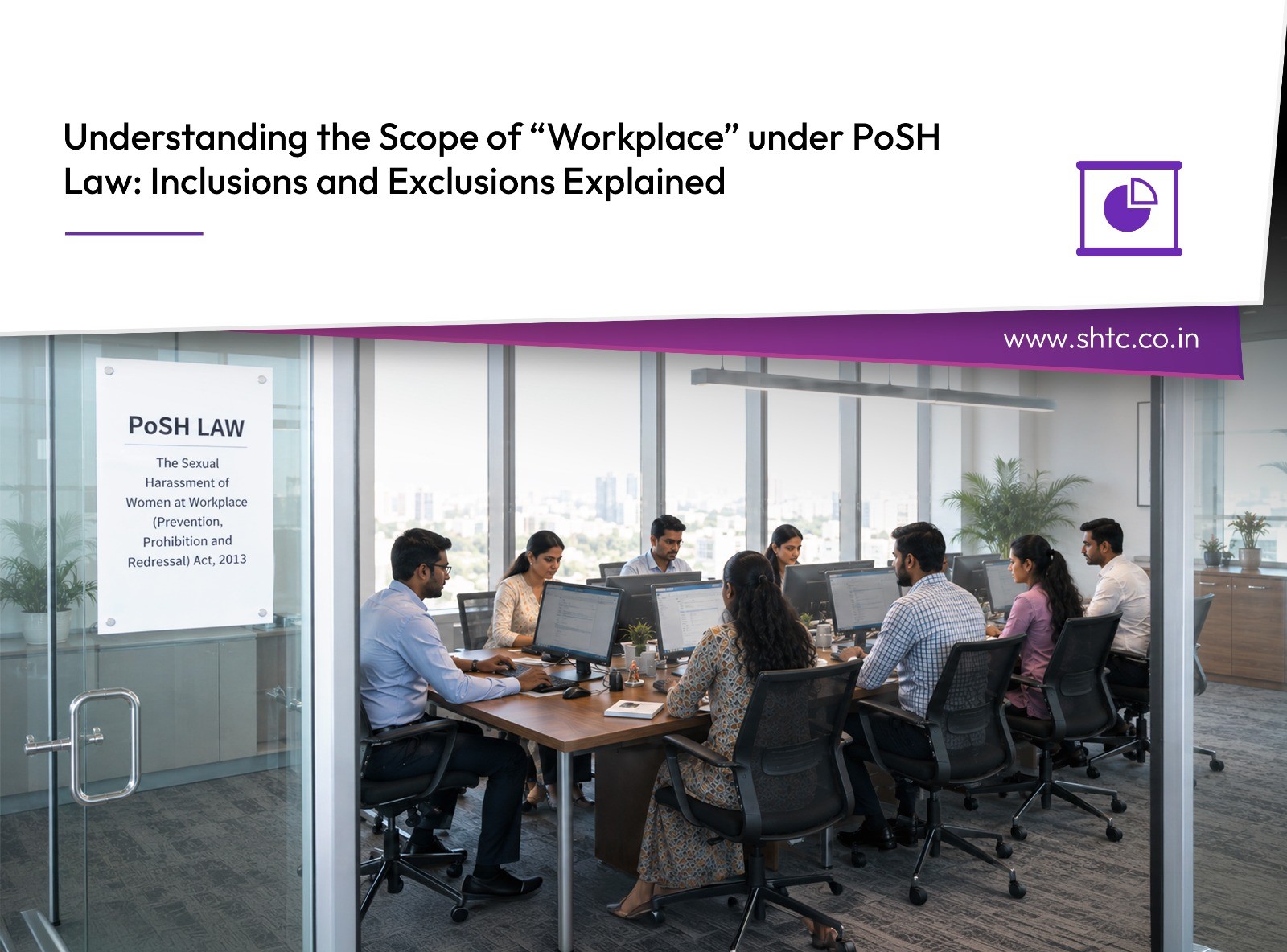
The definition of the workplace has expanded far beyond the traditional office. It now includes remote and hybrid work environments, digital collaboration platforms, client premises, vendor locations, business travel, and off-site events. Organizations that fail to address these extended workplace environments may expose themselves to significant compliance and reputational risks.
To mitigate these risks, organizations should regularly review whether their PoSH policies, reporting channels, and training programs adequately address workplace interactions across both physical and digital environments.
The Clustering Effect
As demonstrated by the Nashik case of 2026, workplace misconduct often remains unreported until one formal complaint encourages others to come forward. This clustering effect can result in multiple complaints emerging simultaneously, creating significant legal, operational, and reputational challenges for employers.
Impact Over Intent
Recent legal developments continue to reinforce that intent alone is not the determining factor in workplace harassment cases. If conduct is unwelcome and sexual in nature, organizations must evaluate its impact on the recipient. This makes awareness training and leadership sensitization essential components of an effective compliance framework.
-
Lessons from the Nashik Case: When Systems Fail
The 2026 Nashik BPO case serves as a significant reminder of the consequences of institutional inaction. One of the most notable aspects of the case was the 40-day undercover police operation involving women officers deployed within the workplace to corroborate complaints. This demonstrates the increasing willingness of authorities to intervene when internal systems are perceived as ineffective or untrustworthy.
Trust vs. Process
When employees lose confidence in internal reporting mechanisms, they are more likely to bypass organizational channels and approach law enforcement directly. Once this occurs, organizations lose the opportunity to address concerns internally and demonstrate procedural effectiveness.
To strengthen employee trust, organizations should ensure that Internal Committees remain independent, accessible, responsive, and transparent throughout the complaint-handling process.
Power Asymmetry
Workplace misconduct is often linked to unequal power dynamics. Supervisory authority, performance evaluations, compensation decisions, and career progression can all influence an employee's willingness to report inappropriate conduct. Organizations must recognize and actively address these power imbalances.
Safety vs. Redressal
An employer's primary responsibility under the PoSH Act is prevention and prohibition through the creation of a safe working environment. Redressal mechanisms serve as a safeguard when preventive measures fail. Organizations that focus only on complaint resolution while neglecting prevention may still fall short of their statutory obligations.
-
The Parallel Realities: Internal Committees vs. Law Enforcement
Employers must recognize that an Internal Committee inquiry and a criminal investigation under the Bharatiya Nyaya Sanhita (BNS) operate independently of one another. The initiation of one process does not prevent or suspend the other.
Internal Redressal
Legal Framework: PoSH Act, 2013
Key Characteristic: Quasi-judicial inquiry based on the principle of preponderance of probabilities.
External Redressal
Legal Framework: Bharatiya Nyaya Sanhita (BNS)
Key Characteristic: Criminal investigation conducted by law enforcement authorities with potential penal consequences.
Organizations should therefore maintain clear protocols for handling situations where both internal and external proceedings are underway simultaneously.
-
Statutory Mandates: What Companies Must Do Now
In the current regulatory environment, basic compliance is no longer sufficient. Organizations must adopt a more structured and proactive approach.
Valid Internal Committee Constitution (Section 4, POSH Act, 2013)
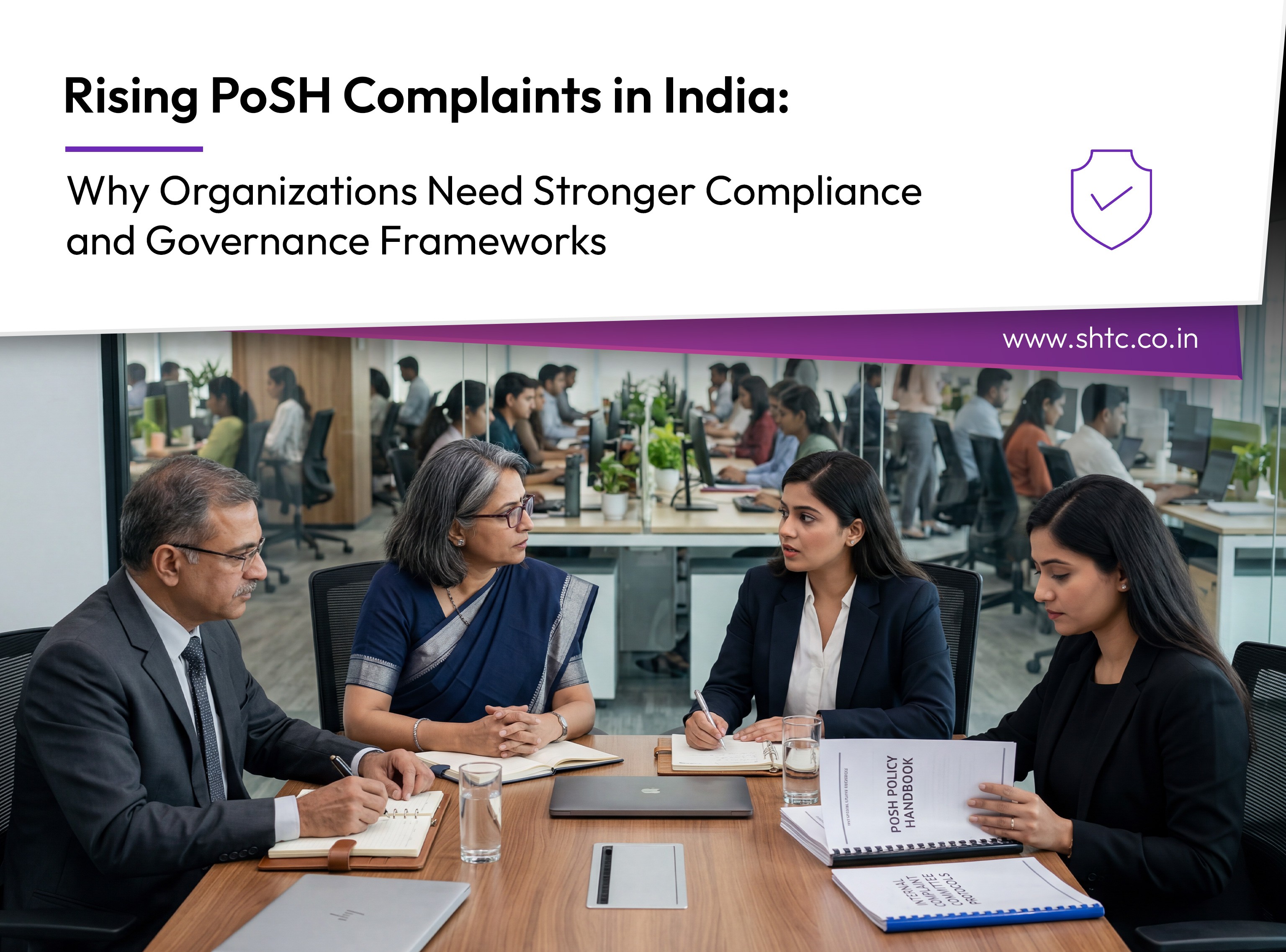
Organizations must ensure that their Internal Committees are properly constituted and include independent external members with relevant expertise. Undisclosed conflicts of interest or management interference can compromise the credibility of the process.
Advanced Procedural Training
Internal Committee members should receive training not only on legal requirements but also on principles of natural justice, documentation standards, evidence assessment, and reasoned decision-making. Employees should receive regular awareness training covering both physical and digital workplace conduct.
BRSR Transparency and Disclosure
For listed organizations, Business Responsibility and Sustainability Reporting (BRSR) requirements increasingly emphasize transparency through disclosures related to training coverage, gender representation, remuneration metrics, and complaint management.
Compliance Reviews and Audit Readiness
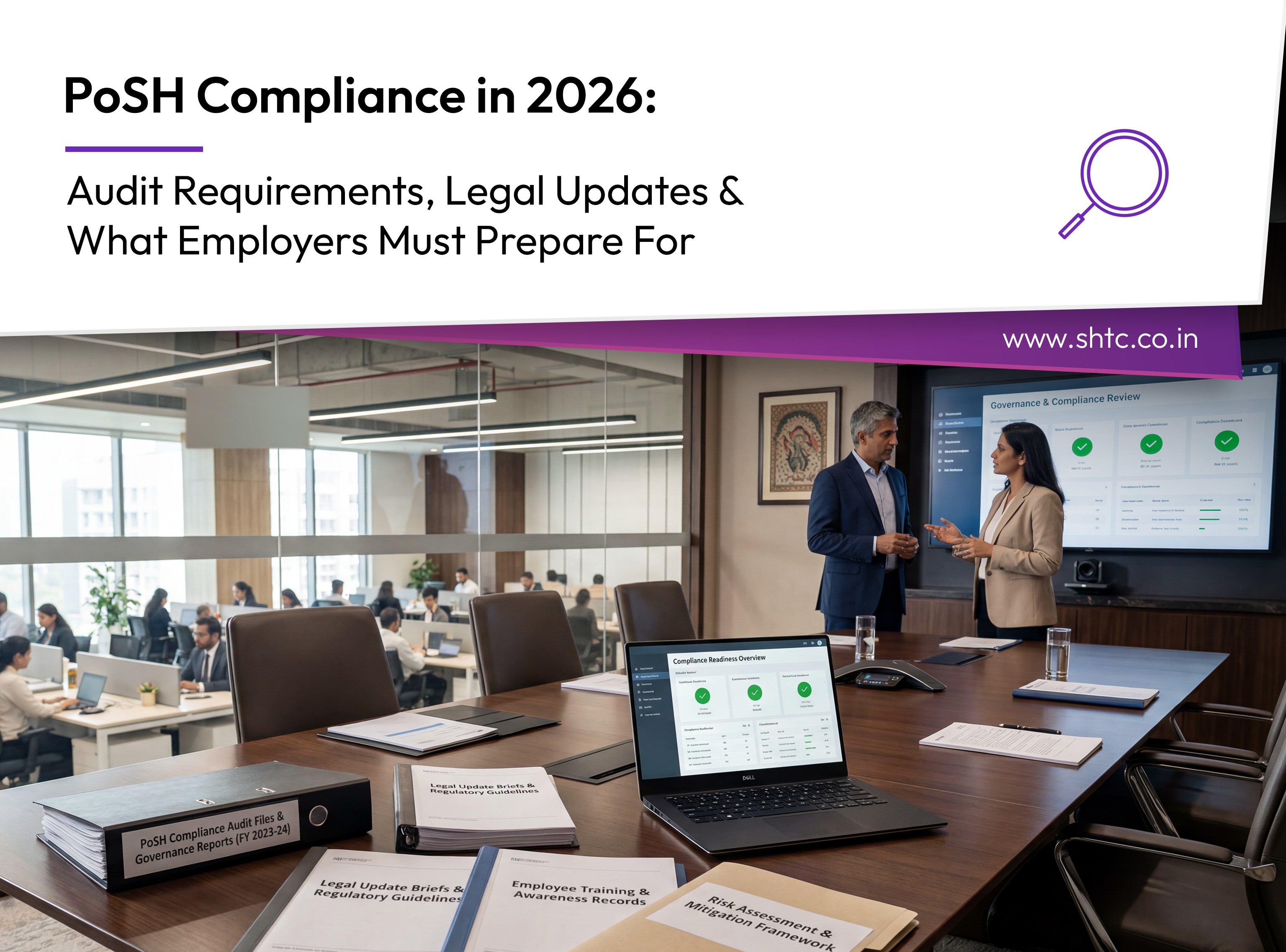
Organizations should conduct periodic compliance reviews to evaluate the effectiveness of their policies, reporting mechanisms, training programs, and Internal Committee processes. Regular assessments help identify gaps before they develop into larger compliance issues.
-
Beyond Compliance: Building Audit-Ready Systems
Organizations that wish to strengthen workplace safety should move beyond minimum compliance requirements and focus on creating sustainable governance systems.
Key priorities include:
• Conducting independent PoSH climate assessments to evaluate employee confidence in reporting mechanisms.
• Reviewing workplace definitions to ensure coverage of hybrid work models, digital platforms, and third-party locations.
• Evaluating whether zero complaints reflect a genuinely safe workplace or a lack of employee trust in reporting systems.
• Promoting bystander awareness and encouraging employees to report inappropriate conduct.
• Ensuring HR functions as a facilitator of formal reporting processes rather than an informal mediator.
• Periodically reviewing policies, training initiatives, and governance processes to maintain ongoing compliance and organizational readiness.
-
Building a Stronger PoSH Compliance Framework
As complaints continue to rise across industries, organizations must recognize that compliance alone is no longer enough. Employees today expect workplaces to provide not only formal redressal mechanisms but also a culture of trust, accountability, and psychological safety.
Many organizations have established policies and Internal Committees, yet challenges often emerge in implementation. Delayed responses, inadequate documentation, insufficient training, and a lack of employee confidence in reporting mechanisms can weaken even well-intentioned systems.
To strengthen workplace safety, organizations should adopt a proactive compliance framework that includes regular policy reviews, periodic employee awareness programs, advanced Internal Committee training, compliance audits, and independent assessments of reporting mechanisms. Such measures help identify gaps before they escalate into legal, operational, or reputational risks.
A strong PoSH framework should also account for the realities of today's workplace. Hybrid work models, digital communication platforms, client locations, vendor interactions, and off-site engagements all fall within the broader scope of workplace conduct and require appropriate governance measures.
At SHTC, we have observed that organizations are most successful when PoSH is treated as an ongoing governance responsibility rather than a once-a-year compliance exercise. Continuous evaluation, process improvement, and stakeholder awareness contribute significantly to building workplaces that employees trust and regulators respect.
-
Conclusion: The Cost of Inaction
As PoSH complaints continue to rise across India, organizations need more than policies, annual training sessions, and basic compliance documentation. They need a compliance partner that helps them build systems capable of withstanding legal scrutiny, regulatory review, and real-world workplace challenges.
As workplace expectations, regulatory scrutiny, and reporting rates continue to increase, organizations require compliance frameworks that are proactive, sustainable, and built for long-term governance. SHTC helps organizations achieve exactly that, by transforming PoSH compliance from a statutory obligation into a structured, audit-ready workplace safety framework that employees trust and leadership teams can rely on.
Build a stronger, safer, and more accountable workplace with SHTC.
This article is intended for informational purposes only and does not constitute legal advice. Organizations should seek professional counsel to ensure specific compliance with the PoSH Act, 2013, and the Bharatiya Nyaya Sanhita.